

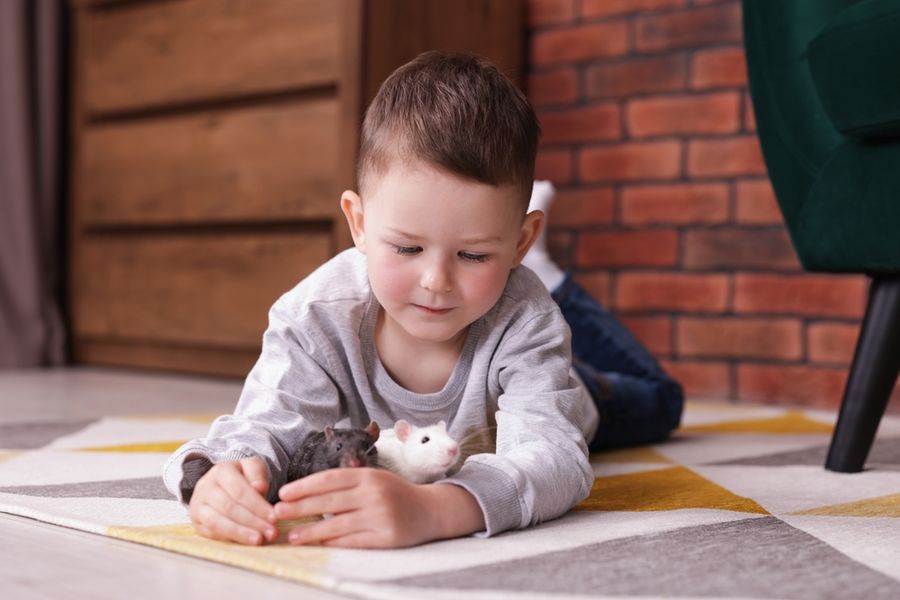
Bringing a pet into the family can be an exciting milestone for a child, offering opportunities to learn about responsibility, empathy, patience, and animal care. However, choosing the right pet involves much more than picking the cutest animal at the pet store or shelter. Families need to consider daily care, costs, lifespan, space, temperament, and how much adult involvement will be required before welcoming a new companion into the household permanently.
What Should You Consider Before Getting Your Child a Pet?
Children may enthusiastically promise to feed, clean, walk, and play with a new pet every day, but parents should assume that adults will ultimately be responsible for the animal's welfare. Younger children in particular will need supervision and reminders, while even older children can become busy with school, activities, friends, or changing interests.
Start by considering how much time your household can realistically dedicate to animal care. A dog requires several walks, bathroom breaks, training sessions, feeding, and companionship every day. A hamster requires less direct attention but still needs regular feeding, enclosure maintenance, enrichment, and health monitoring.
Space matters too. Families living in smaller homes or apartments may find that certain small animals are easier to accommodate, although "small pet" does not automatically mean "small enclosure." Rabbits, guinea pigs, hamsters, and other small mammals need enough room to exercise and behave naturally.
The pet's expected lifespan should also be part of the decision. Some animals can remain with a family for well over a decade, meaning the commitment may continue long after a child's interests, schedule, or living situation changes.
Dogs and Cats
Dogs can be wonderful family pets for households prepared for a substantial daily commitment. They are social, interactive, and capable of forming close relationships with children and adults. However, dogs are not a pet that a child can care for independently. Training, veterinary appointments, exercise, grooming, and supervision remain adult responsibilities.
Similarly, cats can suit families looking for an affectionate companion that generally requires less hands-on exercise than a dog. Although cats are often considered relatively independent, they still need daily attention and enrichment that are likely to fall to the adult in the home.
For both dogs and cats, children can participate in age-appropriate responsibilities such as feeding, refreshing water, grooming, playing with toys, and participating in walks.
Costs can be significant. Food, vaccinations, routine veterinary care, grooming, training, toys, boarding, and unexpected medical treatment should all be included in the household budget.
Bottom line? Dogs and cats are excellent family pets, but not a good first pet for a young child.
Guinea Pigs
Guinea pigs are popular family pets because they can be social, expressive, and enjoyable to interact with. They are often active during periods when children are awake, which can make observing and interacting with them easier than with some nocturnal pets.
They require more space and care than their small size might suggest; the minimum recommended enclosure size for one pig is 7.5 sq ft with 10.5 being preferred. A suitably large enclosure, appropriate bedding, hiding areas, enrichment, hay, fresh vegetables, guinea pig food, and regular cleaning are necessary. Unlimited hay and fresh vegetable are a necessity, not a "nice to have", so understanding that cost is important.
Guinea pigs need to be kept in pairs (at a minimum) rather than alone. That means families should be prepared for the expense and responsibilities associated with caring for more than one animal.
Hamsters
Hamsters can be fascinating pets for older children who enjoy watching natural behaviors such as digging, burrowing, foraging, and nesting. Their relatively small size also makes them appealing to families who cannot accommodate a larger companion animal.
However, hamsters are often misunderstood as extremely simple starter pets. They need a spacious, species-appropriate enclosure with deep bedding for burrowing, a correctly sized exercise wheel, hiding places, enrichment, and opportunities to forage.
Their sleep schedule is another important consideration. Hamsters are commonly most active during the evening and nighttime. A child who expects to play with a pet after school may discover that the hamster would rather remain asleep.
Rabbits
Rabbits are intelligent, social animals that can develop strong bonds with their caregivers, but they should not be viewed as low-maintenance children's pets. They require substantial living space, daily out-of-enclosure exercise, appropriate food, enrichment, regular cleaning, and veterinary care from a professional experienced with rabbits.
Rabbits can live for 8-12 years, making them a long-term family commitment. Parents should be prepared to remain responsible for the rabbit even if their child gets busy or eventually leaves for college.
Rats
Domestic rats are an overlooked option for families interested in a small but highly interactive pet. They are intelligent, social, curious, and capable of learning routines and simple behaviors. Rats need compatible companions of their own species, along with a spacious enclosure featuring climbing opportunities, hiding areas, bedding, toys, and enrichment, but when socialized, love being handled.
Their relatively short lifespan can be difficult for children, particularly when they form a strong attachment to the animal. Veterinary expenses are another consideration because rats can develop health problems - most often respiratory infections - that require professional treatment. For families comfortable with their care requirements (and who can get over their tails, which some people find gross), rats can provide considerably more interaction than many people expect from a small pet.
Should You Adopt or Buy Your Child's First Pet?
Adoption is worth considering before purchasing an animal. Local shelters and rescue organizations may have dogs, cats, rabbits, guinea pigs, rats, and other animals looking for homes.
One advantage of adopting an adult animal is that staff or foster caregivers may already know something about its personality, behavior, and preferred home environment. That information can help families determine whether a particular animal is comfortable around children.
If purchasing from a breeder is preferred, families should carefully research the breeder's animal welfare practices and avoid sellers who cannot provide appropriate information about health, housing, breeding conditions, and care.
Regardless of where the animal comes from, avoid making the decision impulsively. A pet should never be treated as a temporary toy or surprise that can simply be returned when caring for it becomes inconvenient.
How Much Does a Child's First Pet Cost?
The purchase or adoption fee is only a small part of the total cost of pet ownership.
Initial expenses may include an enclosure, carrier, bed, bowls, litter box, toys, grooming supplies, aquarium equipment, bedding, exercise equipment, or other species-specific supplies. Ongoing costs can include food, bedding, litter, veterinary visits, vaccinations, medications, grooming, boarding, and replacement supplies. Unexpected veterinary bills are particularly important to consider. Even relatively inexpensive pets can require diagnostic testing, medication, surgery, or emergency treatment.
Creating a realistic annual pet budget before bringing an animal home can prevent families from discovering later that proper care costs significantly more than expected.
Match Responsibilities to Your Child's Age
Pet ownership can help children develop responsibility, but expectations should remain age appropriate. Young children might help scoop food into a bowl, refill hay with supervision, or gently participate in grooming. Older children may be able to clean certain parts of an enclosure, track feeding schedules, participate in training, or help monitor supplies.
Parents should still verify that essential tasks have actually been completed. An animal cannot miss meals, live in an unclean environment, or go without medical attention because a child forgot their responsibilities.
A useful approach is to treat pet care as a shared family responsibility while gradually allowing the child to take on additional tasks as they demonstrate consistency.
First-Pet Checklist for Families
Before bringing a pet home, make sure your family can confidently answer yes to the most important questions:
- Have we researched the animal's adult size, temperament, lifespan, diet, housing, social, exercise, and enrichment requirements?
- Do we have enough appropriate space for the animal?
- Can we afford both routine care and unexpected veterinary expenses?
- Is there a veterinarian nearby who treats this species?
- Does the pet's natural activity schedule fit our family's routine?
- Have we considered allergies, noise, odors, shedding, and cleaning requirements?
- Can an adult take over all care responsibilities when necessary?
- Do we know who will care for the pet during vacations?
- Are existing pets compatible with the new animal?
- Have we prepared children to handle or interact with the animal appropriately?
- Are we prepared to care for the pet throughout its entire lifespan?
- Have we purchased and prepared the necessary supplies before the animal arrives?
Choosing a Pet the Whole Family Is Ready For
The best first pet isn't necessarily the smallest, cheapest, or easiest animal to find. It is the animal whose needs realistically match the family's available time, space, budget, lifestyle, and level of experience.
Children can learn valuable lessons from helping care for an animal, but the pet's welfare must always come first. When adults accept ultimate responsibility and children are given realistic, age-appropriate roles, pet ownership can become a rewarding family experience rather than an overwhelming obligation.