

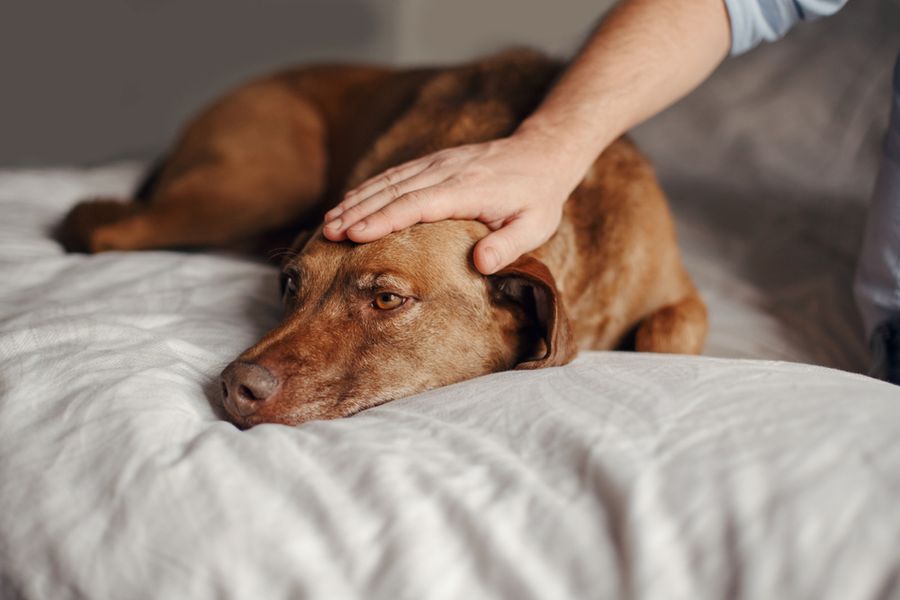
Watching a beloved dog enter their senior years often brings changes to daily routines, activity levels, and healthcare needs. Older dogs may move more slowly, sleep longer, experience changes in appetite, or require extra help staying comfortable. While aging is different for every dog, thoughtful adjustments can support their health and quality of life. From nutrition and exercise to veterinary care and home modifications, senior dogs benefit from attention tailored to their changing needs and abilities.
Schedule Regular Veterinary Checkups
Veterinary care becomes increasingly important as dogs get older. Conditions such as arthritis, dental disease, diabetes, kidney problems, heart disease, and changes in vision or hearing become more common with age. Regular examinations can help identify potential problems before they become more serious.
For a budget-conscious approach, prioritize routine wellness examinations and ask your veterinarian which screenings are most important based on your dog's age, breed, and medical history. Keeping organized records of changes in weight, appetite, mobility, and behavior can also give your veterinarian useful information without adding any cost.
For owners with a larger budget, comprehensive senior wellness packages may include bloodwork, urinalysis, imaging, and other diagnostic screenings. Pet insurance or a veterinary wellness plan may also help make ongoing care more predictable, although coverage and costs vary considerably.
Adjust Their Diet as Their Needs Change
A dog's nutritional requirements can change considerably with age. Some senior dogs become less active and need fewer calories, while others struggle to maintain their weight. Medical conditions can also influence which foods are appropriate.
A budget-friendly strategy doesn't necessarily require buying specialized senior food. Owners can speak with their veterinarian about whether their dog's current food remains appropriate and carefully measure portions to prevent overfeeding. Maintaining a healthy weight is particularly important because excess weight can place additional strain on aging joints.
At the higher end, owners might choose premium senior formulas or veterinarian-recommended therapeutic diets designed to address specific health concerns. Prescription diets can be considerably more expensive than standard dog food, but they may be appropriate for dogs with certain diagnosed conditions.
Avoid making major dietary changes or adding supplements without discussing them with a veterinarian.
Keep Exercise Gentle but Consistent
Older dogs still need physical activity, even when they can no longer run or play like they once did. Regular movement is important to maintain muscle strength, support joint mobility, provide mental stimulation, and prevent excessive weight gain.
Walking is one of the simplest options. Instead of one long outing, an older dog may be more comfortable taking several shorter walks throughout the day. Gentle games in the yard or around the house can provide additional activity.
Owners willing to spend more could investigate hydrotherapy. Underwater treadmills and therapeutic swimming can provide low-impact exercise for some dogs with mobility limitations. A veterinarian can help determine whether specialized exercise is suitable.
Make Their Bed More Comfortable
Senior dogs often spend more time sleeping, making a supportive resting area particularly valuable. Hard floors and thin bedding may become uncomfortable for dogs with arthritis or other mobility problems.
An inexpensive improvement can be as simple as adding folded blankets or extra padding to an existing dog bed. Placing beds in warm, quiet locations and making sure your dog has somewhere comfortable to rest on each floor can also help.
Orthopedic dog beds made with thick supportive foam can provide additional cushioning. Some owners also consider heated pet beds or warming pads, although products should be specifically designed for pets and used according to safety instructions.
Whatever option you choose, look for bedding that is easy to access and doesn't require your dog to climb over a high edge.
Help Them Navigate the Home Safely
Slippery flooring, stairs, and furniture that once presented no challenge can become difficult for an aging dog. Small changes around the house can reduce the risk of falls and make everyday movement easier.
For an affordable solution, place nonslip rugs, carpet runners, or mats along frequently traveled routes. Keeping food, water, and bedding on the same level of the home can also reduce unnecessary stair climbing. Pet ramps or specialized stairs for reaching beds and sofas can also be extremely helpful for dogs who are struggling more with their mobility.
Stay on Top of Dental Care
Dental health can easily be overlooked, but oral problems may cause significant discomfort. Bad breath, difficulty chewing, excessive drooling, bleeding gums, or suddenly refusing hard food can all warrant veterinary attention.
Regular tooth brushing with dog-safe toothpaste is one of the most affordable forms of preventative dental care. Dental chews and other veterinarian-recommended products may provide additional support.
Professional dental cleanings are the more expensive option but may become necessary when significant plaque, tartar, or dental disease is present. Some dogs require extractions or other treatment. Regular preventative care may reduce problems, but it cannot always eliminate the need for professional dentistry.
Provide Plenty of Mental Stimulation
Physical changes don't eliminate a dog's need for interesting activities. Mental stimulation can help make daily life more engaging, particularly when physical limitations reduce opportunities for vigorous exercise.
Budget-friendly activities can be remarkably simple. Hide pieces of your dog's regular kibble around a room, practice familiar commands, introduce gentle scent games, or rotate existing toys so they feel more interesting.
Additionally, interactive puzzle feeders, treat-dispensing toys, and automated enrichment products can provide additional variety. Choose activities that match your dog's abilities. Games should be enjoyable rather than frustrating or physically demanding.
Assist With Mobility When Necessary
Some senior dogs eventually need assistance getting up, climbing stairs, entering vehicles, or walking longer distances. Changes in mobility should be discussed with a veterinarian because stiffness or reluctance to move may indicate pain or an underlying medical condition.
A simple towel placed carefully under a dog's abdomen can sometimes provide temporary assistance under veterinary guidance, while inexpensive nonslip mats can improve traction. Keeping nails appropriately trimmed can also help some dogs maintain better footing.
More specialized options include supportive harnesses, mobility slings, vehicle ramps, and dog wheelchairs. Custom mobility devices can become expensive, but they may significantly improve independence for appropriately selected dogs. Veterinary rehabilitation professionals can help owners choose equipment that fits correctly.
Adapt Grooming to Their Changing Needs
Older dogs may have more difficulty grooming themselves, and changes in skin, coat, nails, or hygiene can require additional attention.
At home, regular brushing is a way to remove loose hair, identify lumps or skin changes, and keep the coat comfortable. Nail trimming is also important because overly long nails can make walking more difficult. Owners who are comfortable doing so can handle much of basic grooming themselves with a few simple tools.
Professional grooming provides a more expensive alternative, particularly for dogs with difficult coats or owners who aren't comfortable trimming nails. Mobile groomers can cost more but may be helpful for senior dogs that find car rides or busy grooming salons stressful.
Prepare for Incontinence and Accidents
Some aging dogs begin having occasional accidents indoors. Incontinence can have several medical causes, so a new change in bathroom habits should prompt a conversation with a veterinarian rather than simply being attributed to age.
Waterproof orthopedic beds, reusable dog diapers, disposable pads, or washable protective furniture covers can help. More frequent bathroom breaks can also help. Depending on the cause, a veterinarian may recommend medication or additional testing.
Give Them More Time and Attention
One of the most valuable things you can give an aging dog costs nothing. Senior dogs may need additional time to get outside, finish meals, climb into the car, or settle into bed. Adjusting expectations can make everyday routines considerably easier for them.
Quiet companionship, gentle affection, leisurely sniffing walks, and simply spending time together are all free. What matters is whether an activity improves your dog's comfort and happiness.
Focus on Comfort and Quality of Life
Caring for a senior dog doesn't require purchasing every specialized product marketed to older pets. Many meaningful improvements—shorter walks, nonslip rugs, extra bedding, mental games, and additional patience—can cost very little. Other dogs may eventually benefit from professional rehabilitation, specialized diets, diagnostic testing, orthopedic equipment, or other higher-cost care.
Pay attention to changes in appetite, mobility, sleep, bathroom habits, behavior, and enthusiasm for favorite activities, and discuss significant changes with your veterinarian. Combining appropriate medical care with practical adjustments at home can help your senior dog remain comfortable, engaged, and surrounded by familiar people throughout their later years.