

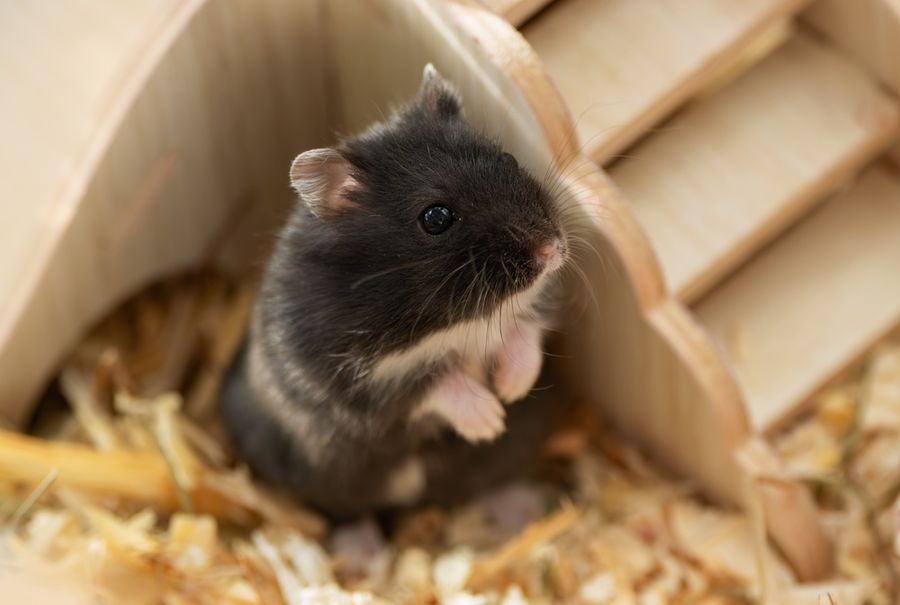
Hamsters may be small, but they have surprisingly complex needs when it comes to their living environment. In the wild, they travel considerable distances, dig extensive burrow systems, forage for food, and use different areas of their territory for sleeping, storing food, and other activities. A well-designed enclosure should give a pet hamster opportunities to express many of the same natural behaviors while providing plenty of security, enrichment, comfort, and space throughout every stage of life.
Start With Plenty of Floor Space
One of the most important considerations when choosing a hamster enclosure is the amount of usable, uninterrupted floor space it provides. Hamsters are active animals that benefit from room to move, forage, dig, and establish different areas within their habitat. Larger enclosures also make it easier to provide enrichment without overcrowding the hamster's environment.
When comparing cages, focus on the dimensions of the main living area rather than features such as multiple small levels. Hamsters are primarily ground-dwelling and burrowing animals, so horizontal space is generally more valuable than tall climbing structures.
Aquariums, large tank-style habitats, and appropriately modified bin enclosures can all work well. Whatever style you choose, make sure there is adequate ventilation and a secure lid to prevent escapes.
Provide Deep Bedding for Burrowing
Burrowing is one of the most important natural behaviors a hamster can perform. Wild hamsters create underground tunnel systems where they sleep, store food, hide from potential threats, and regulate their surroundings.
Providing a generous layer of bedding allows a pet hamster to create its own underground network. Deeper bedding is particularly useful in at least one large portion of the enclosure, although filling as much of the habitat as practical can create even more opportunities for digging.
Paper-based bedding and suitable aspen bedding are common options. Bedding should be soft, absorbent, and capable of holding tunnels reasonably well when compressed. Avoid heavily scented bedding and materials that could be hazardous if chewed or ingested. Fluffy cotton-like nesting products can also present risks if fibers become wrapped around limbs or are swallowed. Adding layers of safe hay or other appropriate materials between bedding can sometimes help support tunnels and provide additional textures for the hamster to investigate.
Choose an Appropriately Sized Exercise Wheel
Running is an important part of a hamster's daily activity. A high-quality exercise wheel gives the animal an opportunity to run considerable distances even while living indoors.
Size matters. When the hamster runs, its back should remain relatively straight rather than bending sharply upward. Syrian hamsters generally require larger wheels than dwarf species, so accessories marketed generically for "small animals" may not necessarily be suitable.
Choose a wheel with a solid running surface rather than wire or mesh. Solid surfaces provide more stable footing and reduce the possibility of small feet or limbs becoming caught.
Create Multiple Hiding and Sleeping Areas
Hamsters are prey animals, so access to secure hiding spaces is essential. An enclosure that is completely open can leave a hamster feeling exposed.
Provide several hides throughout the habitat. A multi-chamber hide can be especially useful because it resembles some aspects of an underground burrow, giving the hamster separate areas for sleeping and storing food. Ceramic hides, wooden houses, cork tunnels, and cardboard structures can provide additional shelter and variety. Even inexpensive cardboard boxes can become useful enrichment when they are made from safe materials and replaced when heavily chewed or soiled. Partially burying tunnels or hides can make the enclosure more interesting while encouraging digging and nesting behavior.
Add a Sand Bath
Many hamsters use sand to help maintain their coats. A generously sized sand bath can also become a favorite place for digging, rolling, or even using the bathroom. Choose hamster-safe sand without added fragrances or chemicals. Very dusty products should generally be avoided because fine particles can irritate the respiratory system. The container should be large enough for the hamster to comfortably turn around and dig. Ceramic dishes, glass containers, and other sturdy vessels can work well.
Encourage Natural Foraging
Putting every meal into a food bowl is convenient, but it removes an opportunity for enrichment. Hamsters naturally spend time searching for and collecting food, making foraging an easy behavior to encourage in captivity. Try scattering some of the hamster's regular dry food throughout the enclosure. Pieces can be placed around hides, tunnels, bedding, and other safe areas. The hamster must then use its senses to locate and collect its meal.
Food can also be placed inside cardboard tubes, safe forage toys, or other simple puzzles. Treats can occasionally be hidden beneath bedding or inside enrichment items to encourage investigation. A food bowl can still be used when appropriate, especially when monitoring intake or offering particular foods. Combining feeding methods can provide both convenience and enrichment.
Include Different Textures and Natural Materials
A species-appropriate enclosure does not have to consist entirely of bedding and plastic accessories. Providing different safe textures can create a more stimulating environment. Cork, untreated wood, cardboard, suitable branches, sprays, and safe natural materials can give the hamster new surfaces to investigate. Platforms can also be useful for supporting heavy objects so they do not collapse into burrows underneath.
Always research natural materials before introducing them. Items collected outdoors can potentially carry pesticides, parasites, mold, or other contaminants.
Offer Safe Chewing Opportunities
A hamster's teeth continually grow, making chewing opportunities an important part of the enclosure. Safe wooden chews, suitable branches, cardboard, and other hamster-friendly materials can encourage natural gnawing. Different textures may help keep the hamster interested, especially since individual animals can have strong preferences.
Chews do not necessarily need to be expensive. Plain cardboard tubes and small cardboard boxes can provide inexpensive entertainment while also functioning as tunnels, hides, or forage toys. Regularly inspect wooden and cardboard items and replace anything that has become excessively damaged, damp, or dirty.
Avoid Excessive Open Space
While a large enclosure is beneficial, that does not mean it should be empty. Hamsters generally appreciate environments with plenty of cover. Use hides, tunnels, bedding mounds, cork pieces, platforms, and other safe objects to break up open areas. Creating different zones can encourage the hamster to investigate its surroundings while still feeling protected.
You can also occasionally make small changes to enrichment items, but avoid completely rearranging the enclosure too frequently. Hamsters rely heavily on scent and may establish preferred nesting and food-storage areas. Major changes can disrupt that familiarity and cause them stress.
Keep Heavy Accessories Secure
Safety becomes particularly important when an enclosure contains deep bedding. A heavy sand bath, ceramic hide, or exercise wheel placed directly on loose substrate could shift or fall if the hamster tunnels underneath it. Heavy accessories can instead be supported on sturdy platforms or other stable structures. This allows the hamster to burrow beneath or around them without causing the objects above to collapse.
Check the enclosure regularly for unstable items, sharp edges, damaged accessories, or escape routes. Hamsters can be surprisingly determined chewers and diggers, so something that was secure when initially installed may need adjustment later.
Consider a Ready-Made Hamster Enclosure
If you would rather buy an enclosure than build or modify one yourself, several manufacturers offer larger habitats that provide much more room for creating a species-appropriate setup. The key is to look beyond the accessories included with a cage and consider its actual dimensions, usable floor space, ventilation, and capacity for deep bedding.
The Niteangel Vista Hamster Cage is one option designed specifically with hamsters and similar small animals in mind. It comes in several sizes, with the medium measuring approximately 40.7 by 22.7 inches and the large measuring about 47.1 by 22.7 inches. Its transparent panels make it easy to observe your hamster, while the large interior provides plenty of flexibility for bedding, hides, a wheel, and enrichment.
Another option is the BUCATSTATE Hamster Cage 3.0, which is available in large-format versions, including a model measuring approximately 120 by 60 centimeters. Its generous dimensions provide room to create separate areas for burrowing, running, foraging, and bathing rather than squeezing every accessory into a small traditional cage.
The PawHut Classic Natural Hamster Habitat is a spacious wooden option measuring approximately 45.3 by 22.4 by 21.7 inches. It combines a large main living area with two platforms and ramps, giving owners room to create separate spaces for sleeping, foraging, exercise, and enrichment. The enclosure uses a fir wood structure with wire mesh for ventilation, while a large lockable hinged roof provides convenient access for cleaning and rearranging accessories. It also includes a waterproof removable tray to make routine maintenance easier.
Whichever enclosure you choose, do not assume that something marketed as a "hamster cage" automatically provides everything a hamster needs. Check the dimensions yourself and consider whether there is enough room for substantial bedding depth, an appropriately sized wheel, a sand bath, hides, tunnels, and enrichment. A simple, spacious enclosure that can be customized effectively is usually more useful than a smaller cage packed with colorful tubes and accessories.
Design Around Your Hamster's Individual Behavior
There is no single enclosure layout that works perfectly for every hamster. Syrian and dwarf hamsters differ in size, while individuals within the same species can have very different personalities and preferences.
Watch how your hamster uses its environment. One may spend hours constructing elaborate burrows, while another may be particularly interested in foraging, running, or digging in sand. Observing those preferences can help you decide where additional enrichment would be most valuable.
A good enclosure should evolve as you learn more about your pet. Providing generous space, deep bedding, safe shelter, an appropriate wheel, foraging opportunities, and varied enrichment creates a strong foundation. From there, thoughtful adjustments can transform a basic habitat into an environment where a hamster has meaningful opportunities to behave like a hamster.